
Term 3 news
Dear Little Sophia families,
What a lovely Term 3 we have had, slowly coming out of the cooler winter months and now, gently, beginning to feel the awakening of early spring around us.
This time of year offers such a beautiful opportunity to nurture something essential in the young child: their living connection to the world around them. In our garden work, the children are not simply learning about nature — they are entering into relationship with it. Through small, real tasks — raking, watering, weeding, planting — they begin to feel, in their own bodies and their own time, that they belong to the earth, and that the earth in turn depends on their care.
This is the heart of what we hope to cultivate. The human being has, across all cultures and all of time, moved through the year in relation to the earth — sowing, tending, harvesting, resting — and this rhythm is something a young child can only truly come to know through doing, not through being told. When your child presses a seed into the soil or carries water to a thirsty seedling, they are quietly learning one of life's most important lessons: that we are nourished by the earth, and that the earth, too, asks to be nourished by us. This reciprocity — this gentle give and take — becomes, over years of small gestures, a felt sense of care and responsibility that will stay with them for life.
Here on Wurundjeri Country, this relationship to the seasons has been lived and observed for tens of thousands of years, through a calendar far more nuanced than our four seasons. We are currently moving through Guling, the Orchid season, when native orchids and wattle bloom across the land — and soon we will welcome Poorneet, the Tadpole season, when frogs begin to call and the ponds fill with new life. We feel it is important to bring this ancient, careful way of noticing and relating to Country into our garden work with the children, as another thread in helping them feel truly held by, and connected to, the land they live on.
We warmly invite you to continue this at home together. Take a slow walk and notice what is stirring — the wattle in bloom, the birdsong returning, the softening light. In these small, shared moments of noticing, your child comes to feel, deep in their being, that they are not separate from the natural world, but a caring part of it.

 As spring settles in, the children's sensory worlds are alive with buzzing bees, butterflies and the sweet fragrance of blossoms…
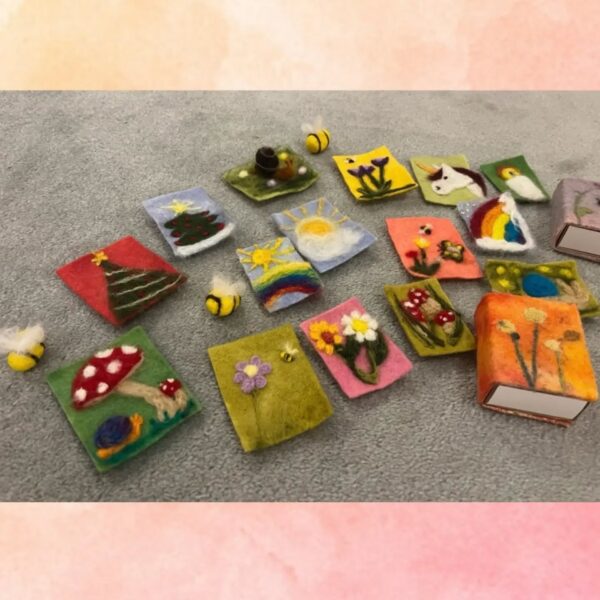 These carefully crafted felted matchbox covers and buzzy bees in readiness for our Christmas stall later this term.
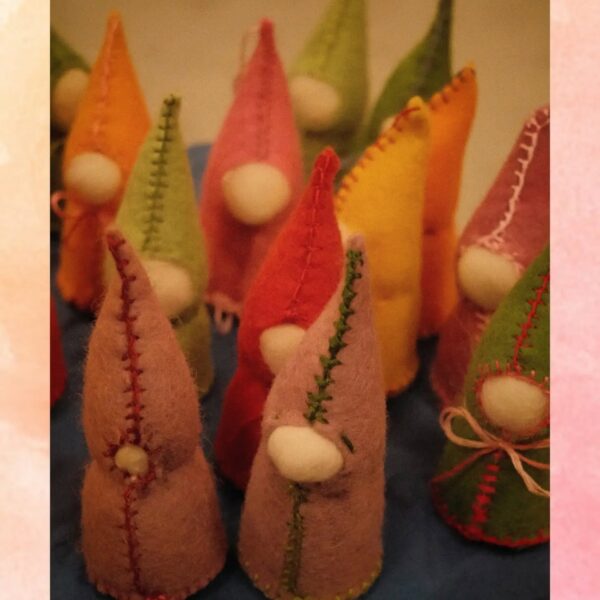 Lovingly made by parents, these little gnomes have gone to live at Home Kinder.
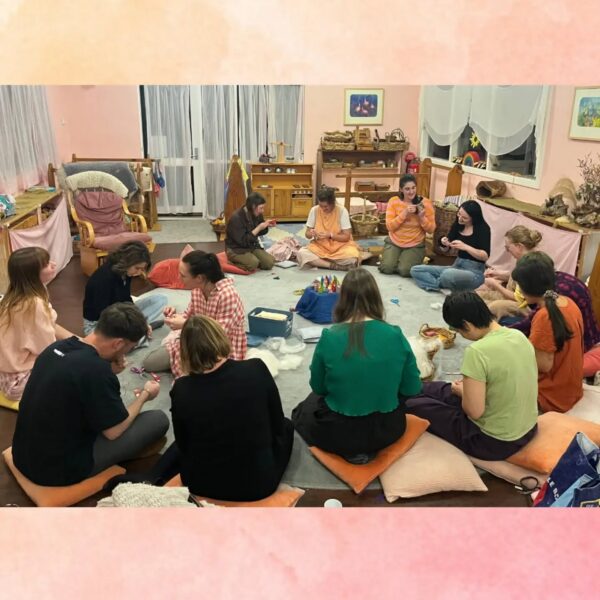 Our teachers and parents meet in the evening twice a term to work on seasonal craft projects and eat cake.
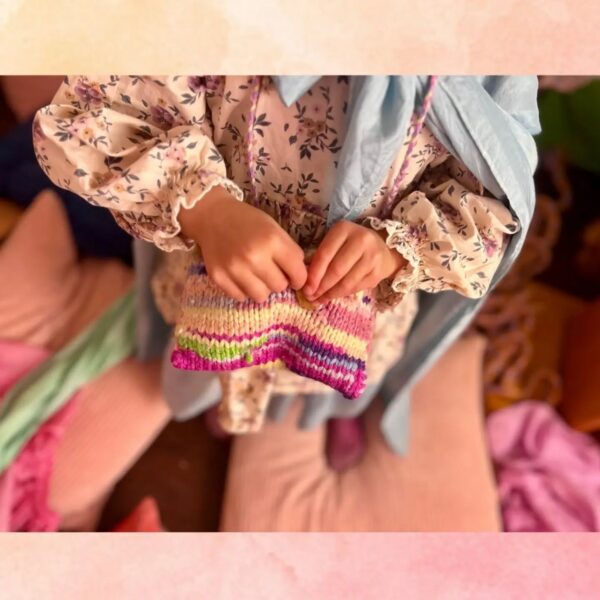 Busy organising the small details. Steiner pedagogy begins with the belief that it is the child's environment which educates.
 Regal play at Home kinder. Play is the vital work of childhood, allowing young children to experience and absorb the…
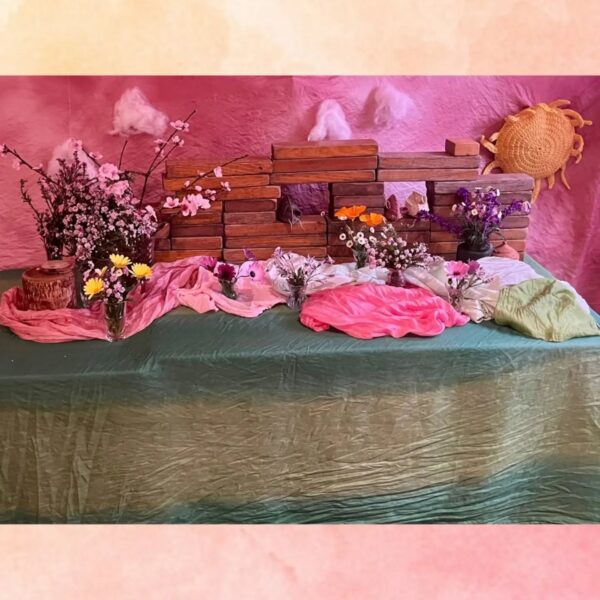 Our stories are told by heart and moved by hands. This story, 'A Mouse Wedding' is waiting to be shared…
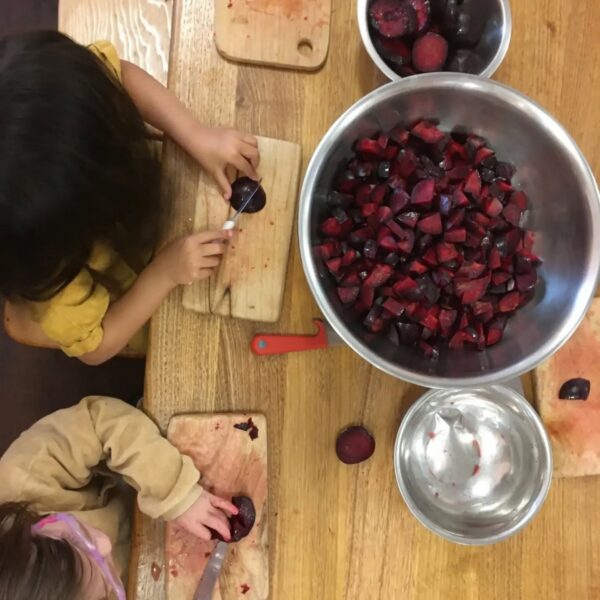 Jam-making at Home kinder provides a year's worth of sweet treats.
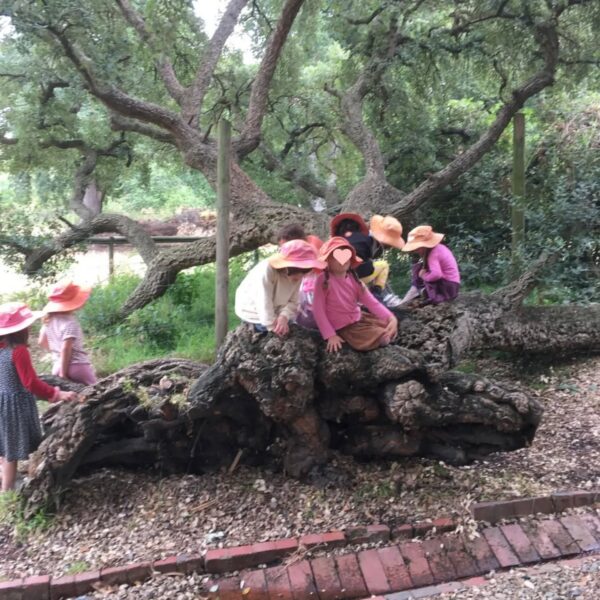 A climbing spot at Corktree Lane.
Beloved by the Wanderers who visit it every week.
As spring settles in, the children's sensory worlds are alive with buzzing bees, butterflies and the sweet fragrance of blossoms…These carefully crafted felted matchbox covers and buzzy bees in readiness for our Christmas stall later this term.Lovingly made by parents, these little gnomes have gone to live at Home Kinder.Our teachers and parents meet in the evening twice a term to work on seasonal craft projects and eat cake.Busy organising the small details. Steiner pedagogy begins with the belief that it is the child's environment which educates.Regal play at Home kinder. Play is the vital work of childhood, allowing young children to experience and absorb the…Our stories are told by heart and moved by hands. This story, 'A Mouse Wedding' is waiting to be shared…Jam-making at Home kinder provides a year's worth of sweet treats.A climbing spot at Corktree Lane.
Beloved by the Wanderers who visit it every week.